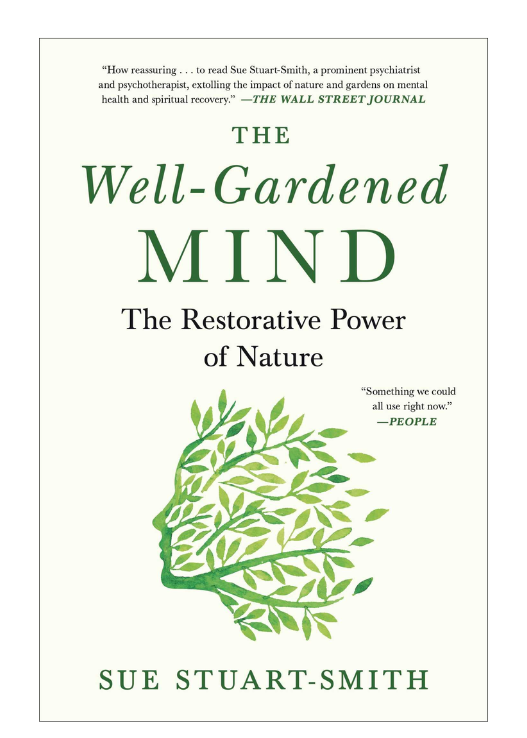
A practice note on nature, restoration, and remembering that humans are not machines.
Why this one made the shelf: Because sometimes the most strategic thing we can do is step away from the table, go outside, and remember we are also living things.
What it helps us notice: Stuart-Smith, a psychiatrist and psychotherapist, explores the relationship between gardens, nature, mental health, recovery, and renewal. The book brings together clinical insight, stories, history, and research to show how gardening and time in nature can support people through stress, grief, trauma, depression, and disconnection.
The useful trouble it causes: This book quietly challenges the idea that rest, beauty, slowness, and care are separate from serious work. It reminds us that people do not think, heal, imagine, or collaborate well when they are treated like machines.
What this has to do with the work: In facilitation, strategy, and organizational change, we are often asking people to make meaning, imagine futures, repair trust, and move through complexity. The Well-Gardened Mind reminds us that environments matter. Bodies matter. Pace matters. Sometimes the conditions for good thinking are not more slides, tighter agendas, or another breakout room. Sometimes they are air, light, soil, spaciousness, and a little less urgency.
Good company for: Facilitators, leaders, educators, therapists, organizers, gardeners, retreat designers, and anyone who suspects their best ideas may not actually arrive while staring at a screen.