A practice note on voice, dignity, displacement, and the stories that make distance harder to ignore.
Why this one made the shelf: Because stories can do what statistics often cannot: bring us close enough to care differently.
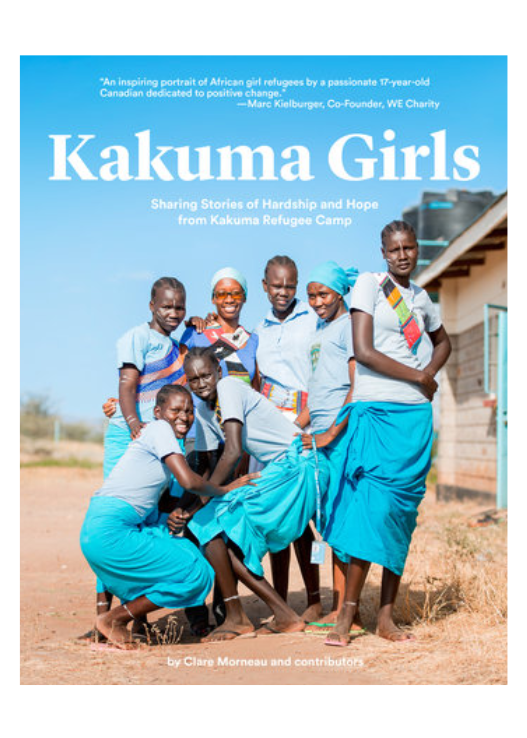
What it helps us notice: Kakuma Girls shares stories from teenage girls living in Kakuma Refugee Camp in northwestern Kenya, including experiences of displacement, starting over, going to school, and imagining a future beyond the conditions around them. The book grew from a pen-pal connection between girls at Kakuma and girls at Havergal College in Toronto, with a focus on raising awareness and supporting education.
The useful trouble it causes: This book interrupts the comfort of distance. It asks us to sit with the truth that hope is not soft, simple, or sentimental. Sometimes hope is a discipline. Sometimes it is a strategy. Sometimes it is a young girl in a refugee camp still insisting on a future.
What this has to do with the work: In facilitation, community engagement, and social change, stories are not decorative. They are how people make meaning, build empathy, and recognize realities they may otherwise never encounter. Kakuma Girls reminds us that participation is not only about giving people a seat at the table. It is about listening in ways that honour dignity, context, and lived experience, especially when the people speaking have been spoken about more than they have been heard.
Good company for: Facilitators, educators, community organizers, youth workers, social-change practitioners, and anyone who believes stories can open doors that data alone cannot.