
Read the Room
Recognize a group's purpose, dynamics, and readiness before deciding how to intervene.
The Practice of Facilitation · Live cohort experience
A live, six-week cohort for people who lead consequential conversations. Learn to design purposeful conversations, navigate differences, and help groups make meaningful decisions, with expert guidance, hands-on practice, and a small community of peers.
Explore the January cohort →Jan 14–Feb 18, 2027
Sound familiar?
You’re leading a team meeting, community dialogue, strategic conversation or cross-departmental decision. The stakes are real and the dynamics are complicated...and a good agenda isn’t enough.
Maybe one voice dominates. Maybe everyone politely agrees and nothing changes. Maybe the group gets stuck, or an apparently simple question opens up tensions nobody prepared for.
The difference isn’t another icebreaker.
It’s knowing what the group needs, what the moment requires and how to respond with intention.
What you’ll be able to do
Develop the judgment to design purposeful conversations, work with complexity, and make thoughtful choices when the unexpected happens.
Recognize a group's purpose, dynamics, and readiness before deciding how to intervene.
Build purposeful question sequences and conversation structures that help groups think and decide together.
Work with silence, disagreement, and competing priorities without forcing premature agreement.
Notice when a conversation needs a different approach, and adjust your design in response.
Your six-week journey
Rather than teaching a grab bag of techniques, the journey follows the decisions you actually face before and during a consequential conversation.
Meet the people, examine the work, and choose a conversation worth wrestling with.
Thursday, January 14, 2027 · 10:00 a.m.–12:00 p.m. ET · 2 hours
Read the group before you reach for an activity.
Thursday, January 21, 2027 · 10:00 a.m.–2:00 p.m. ET · 4 hours
Participatory decision-making · Sam Kaner’s Diamond
Turn scattered discussion into a sequence of purposeful thinking.
Thursday, January 28, 2027 · 10:00 a.m.–2:00 p.m. ET · 4 hours
Technology of Participation (ToP®) · Focused Conversation / ORID
Work with conflict, difference and power, not around them.
Thursday, February 4, 2027 · 10:00 a.m.–2:00 p.m. ET · 4 hours
Organization development · Deep Democracy-informed practice
Choose, sequence and adapt structures with intention.
Thursday, February 11, 2027 · 10:00 a.m.–2:00 p.m. ET · 4 hours
Liberating Structures · Participatory repertoire
Test your judgment. Refine your design. Find your own way of working.
Thursday, February 18, 2027 · 10:00 a.m.–2:00 p.m. ET · 4 hours
Bring the conversation you’ve been working on all along. In a supportive, hands-on studio, you’ll test a short segment, receive specific feedback, and make the design choices that matter.
The learning experience
The Practice of Facilitation is designed around participation, application, and reflection. You'll explore ideas with experienced practitioners, test approaches with peers, and work on conversations that matter in your own context.
Participate in structures and conversations, then examine the choices that made them work, or not.
Use a real challenge from your work, with its actual people, dynamics, constraints and stakes.
Try out questions, interventions and structures with others who are navigating similar challenges.
Carry forward a conversation plan, a stronger design lens and a repertoire you can adapt.
Meet your faculty
Each practitioner brings depth you cannot get from a single-method workshop. Manal connects the four parts and helps translate them into your everyday practice.
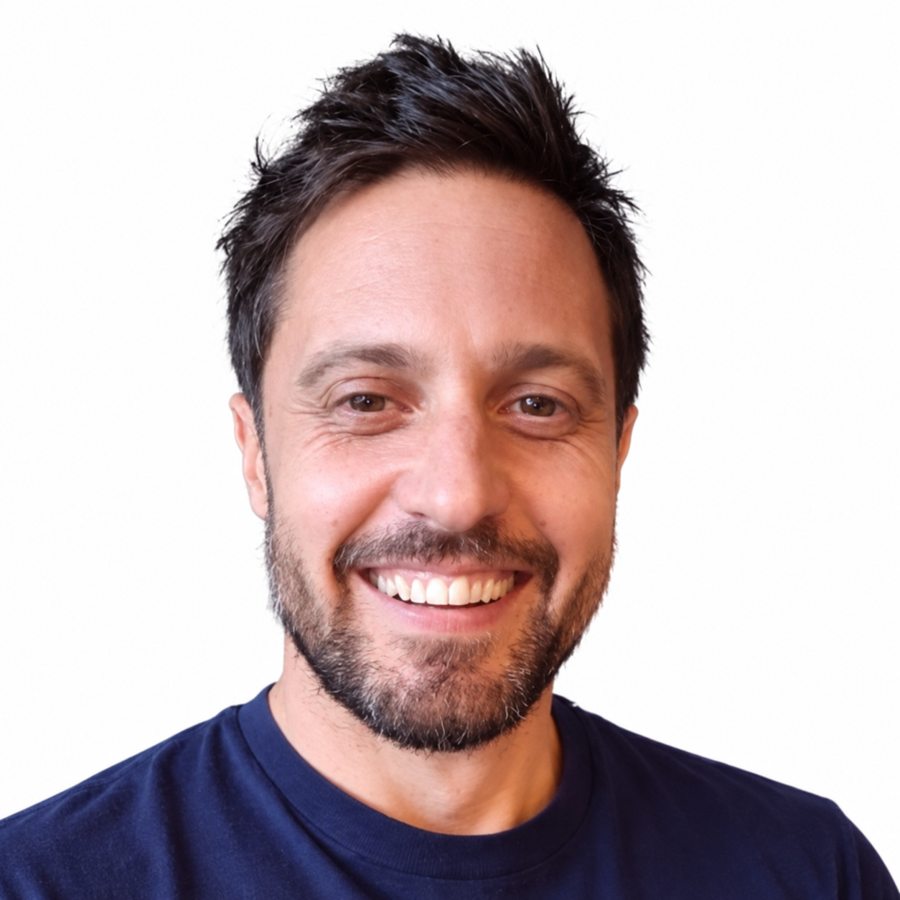
The art of reading the room
Founder of Process Change · Associate, Community At Work
An international collaboration specialist and trainer who has worked across organizations, sectors and cultures. Ewen teaches Group Facilitation Skills and helps groups navigate divergence, the groan zone and collective decision-making.
Meet Ewen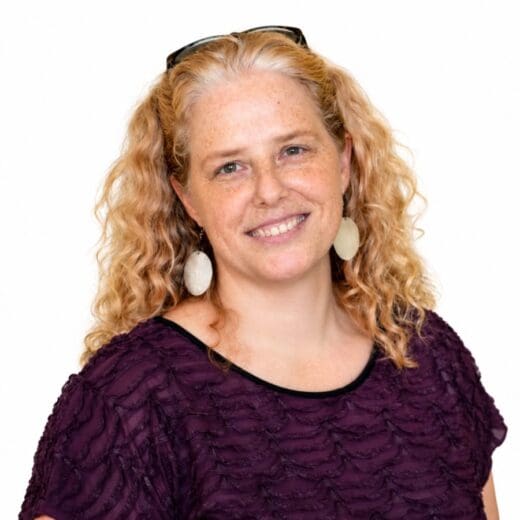
The art of purposeful conversation
Certified ToP® Facilitator · Partners in Participation
Facilitator, trainer and curriculum designer whose practice spans the United States and international humanitarian settings, including Sri Lanka and Indonesia. Alisa brings deep experience with the ToP® Focused Conversation Method—and a gift for translating complex group thinking into practical, human conversations.
Meet Alisa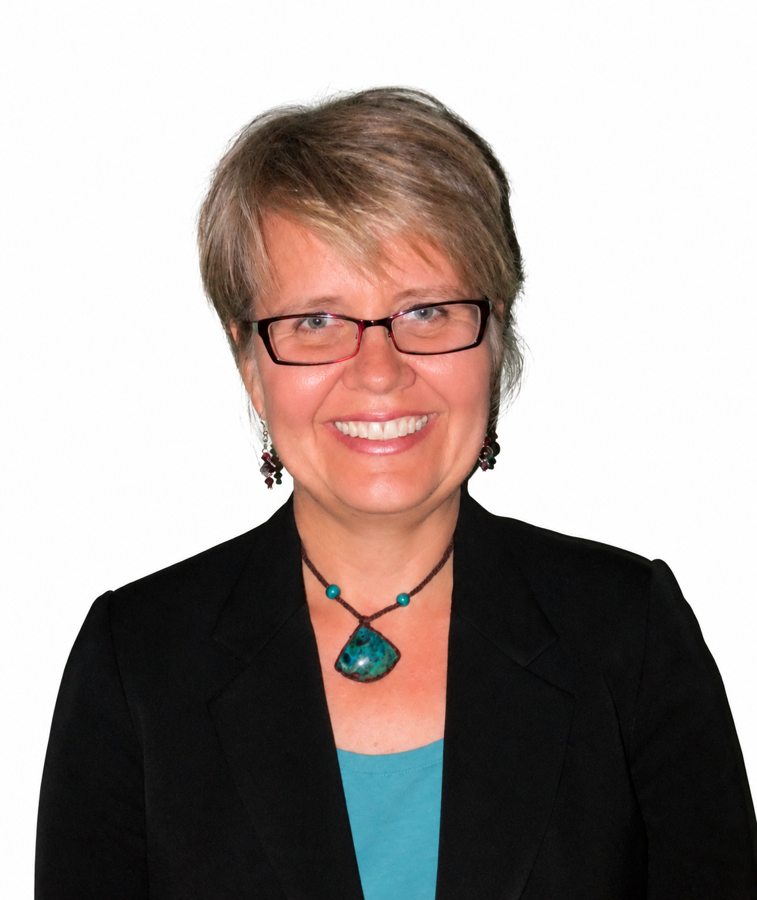
The art of staying with difficulty
MSOD · Certified ToP® Facilitator · Johansson Consulting
An organization development consultant, mentor trainer and cross-cultural facilitator who works across public, private and nonprofit settings. Laura brings extensive international experience and a grounded approach to difference, power, conflict and organizational change.
Meet Laura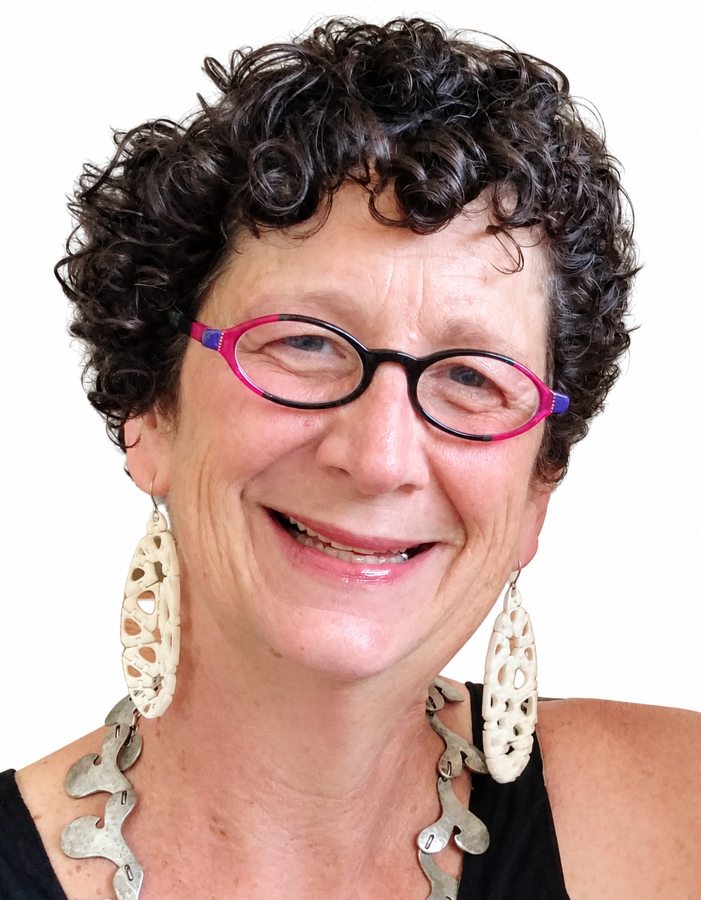
The art of participation
Author · Liberating Structures Fieldbook (2026)
A globally respected facilitator and communities-of-practice pioneer who has spent decades designing inclusive collaboration online and in person. Nancy co-authored the 2026 Liberating Structures Fieldbook with Keith McCandless and helps practitioners move beyond activities toward purposeful patterns of participation.
Meet Nancy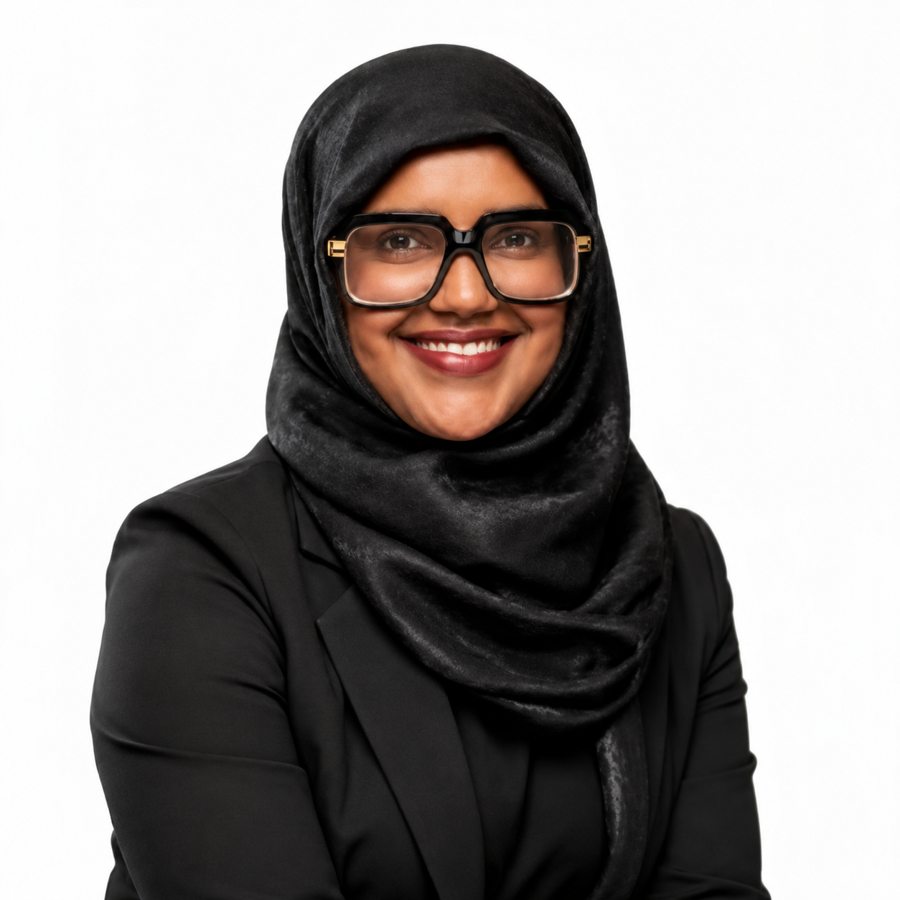
The art of bringing it all together
Founder, Sayid Consulting · MBA · ICA ToP®-trained facilitator
Facilitator, strategist and trainer supporting organizations facing consequential decisions and change. Manal founded The Practice of Facilitation to bring distinct traditions together, with a consistent focus on power, relationships, participation and real-world judgment.
Meet ManalIs this for you?
Whether facilitation is your profession or simply part of your role, this experience is for people who want to be more intentional about how groups think, decide, and move forward.
No formal facilitation certification required. Come with a real conversation or challenge you'd like to work on, and a willingness to practice.
“Good facilitation is not knowing more activities, it's knowing what kind of conversation is needed, and what to do when the room changes.” — The Practice of Facilitation
Frequently asked questions
The founding cohort runs January 14–February 18, 2027, on six consecutive Thursdays. Tuition is $2,500 CAD. Contact us for enrollment information; tax treatment and payment terms will be confirmed before purchase.
Plan for 22 hours of live learning: a two-hour orientation (January 14, 10 a.m.–noon ET), four four-hour expert-led sessions (January 21, 28 and February 4, 11), and a four-hour Facilitation Studio (February 18). All four-hour sessions run 10 a.m.–2 p.m. ET. Expect some preparation and application between sessions.
You bring a real facilitation challenge, run a short segment with peers, get constructive feedback, and revise your design. This is guided rehearsal and reflection, not an exam or a public performance. You’ll take away a tested conversation plan and a set of next steps.
No. The program brings together participatory decision-making, ToP® Focused Conversation, organization development and Deep Democracy-informed approaches, and Liberating Structures. The connective thread is facilitation judgment.
You do not need a facilitator title or certification. You will benefit most if you already lead discussions, meetings, consultations or collective decisions as part of your work.
Yes. Power, difference, access, conflict and unequal participation are central to the program, not optional topics. The course does not replace specialist training for mediation or trauma response.
Yes. Sayid Consulting is also exploring customized in-house learning for leadership teams, organizations and networks. Contact us with your context and needs.
January 2027 · Live cohort
Six Thursdays, January 14–February 18, 2027. Twenty-two live learning hours. Tuition: $2,500 CAD. Enrollment is by inquiry until a secure registration and payment page is connected.
Request the enrollment details, or ask about a private cohort for your team.
Register to join the January cohort →Practice lineage matters. Sam Kaner and collaborators developed the Diamond of Participatory Decision-Making. Technology of Participation (ToP®) methods originate with the Institute of Cultural Affairs and its international community. Liberating Structures were developed by Henri Lipmanowicz and Keith McCandless, with ongoing contributions from a worldwide community of practitioners.


